Becoming
Before I was a tree, I was a secret.

I slept beneath the earth in a coat of darkness, small enough to be overlooked and quiet enough to be forgotten. Above me, the world carried on without knowing my name. Rain tapped softly against the soil. Worms tunneled past me like old neighbors. Roots from older trees stretched through the ground, whispering stories of wind, birds, lightning, and sky.

I did not know the sky.

I only knew the deep brown hush of earth.

For a long while, I thought darkness was all there was.

Then something changed.


Water found me.
It slipped through the soil and wrapped itself around my hard little shell. I drank without knowing I was thirsty. The earth grew warmer. Somewhere inside me, something ancient stirred and said, Now.

My shell cracked.

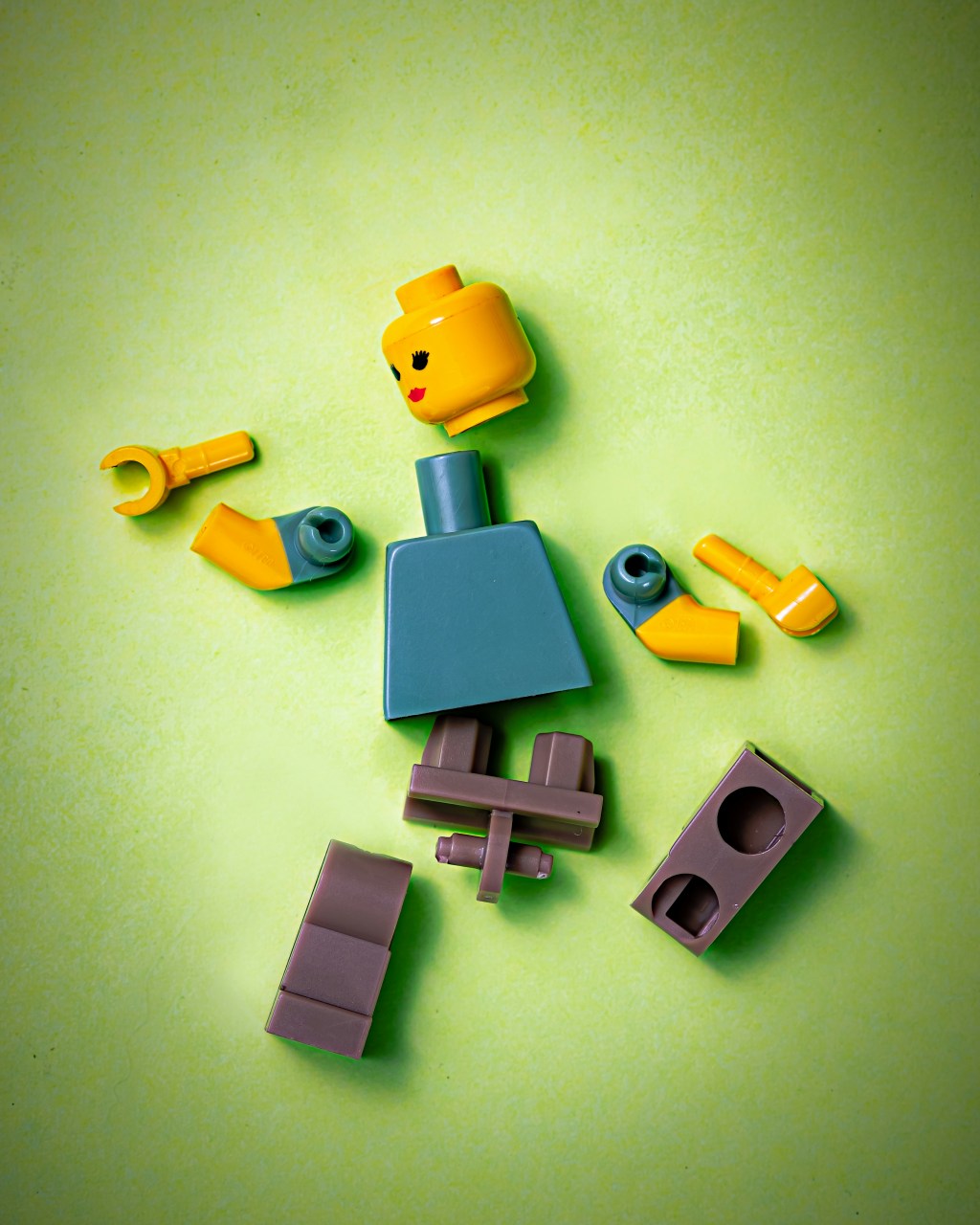
At first, I was frightened. I thought I was breaking.

I did not yet understand that some kinds of breaking are really beginnings.

A pale root pushed downward, feeling its way through the damp soil. At the same time, another part of me reached upward toward a place I had never seen. I did not know why I was reaching. I only knew there was something above me calling.

So I climbed.

Grain by grain.

Darkness pressed against me. Pebbles blocked my way. Heavy soil rested upon my tender head. Still, I pushed.

Then one morning, I broke through.

Light!

It was everywhere.

Warm, golden, enormous.

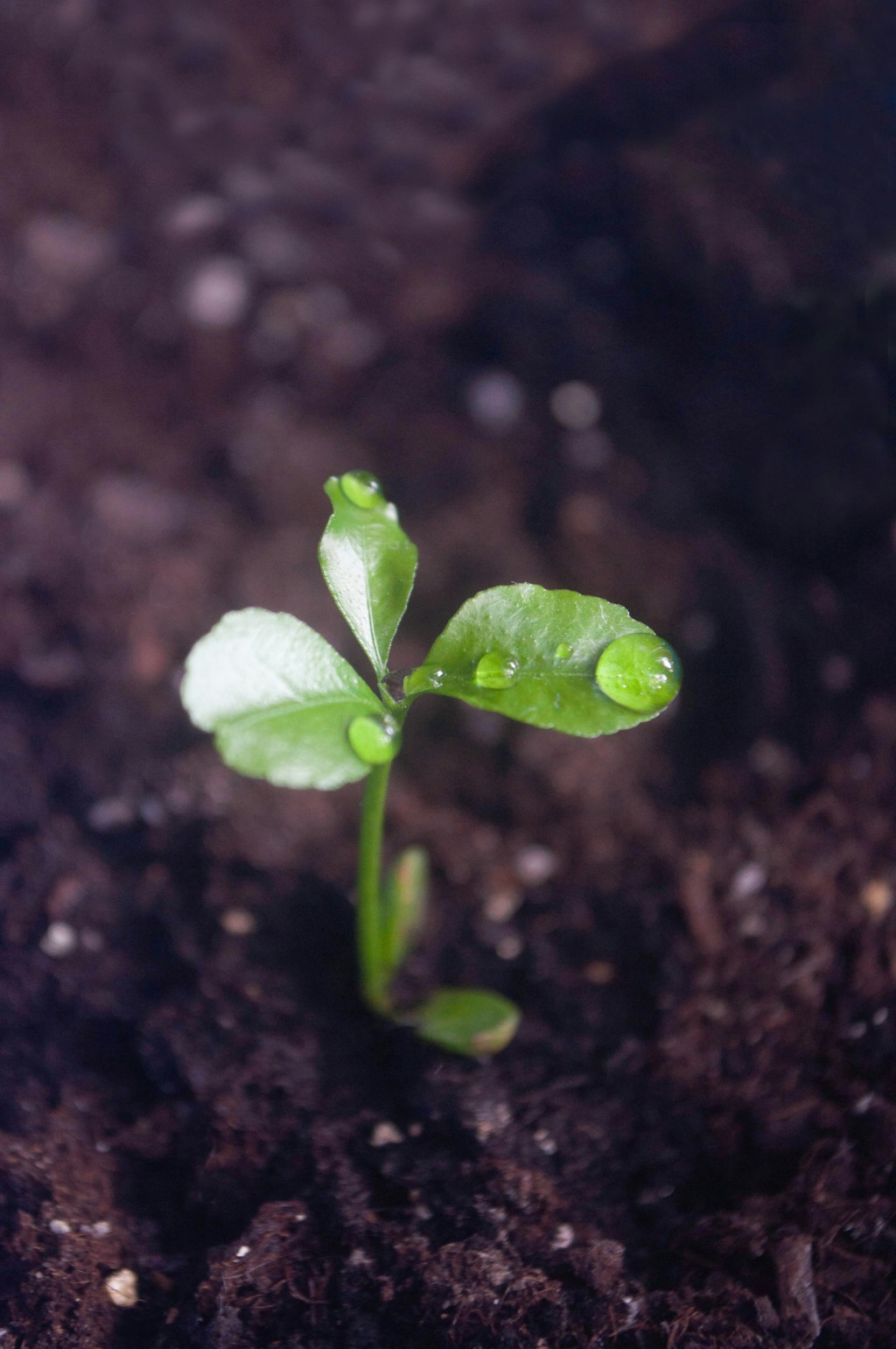
I unfolded my first green leaves beneath it, trembling beneath drops of water that shone like tiny glass worlds. The air touched me for the first time, cool and strange. A breeze bent my thin stem nearly to the ground, and I discovered that surviving did not always mean standing straight. Sometimes it meant bending and rising again.

I looked around at the vast world I had entered.

Everything seemed impossibly large—the shadows, the rain, the open sky.

And I was so very small.

But beneath me, hidden where no one could see, my roots were already holding tight.

I had carried the memory of darkness with me.

I still carry it.

Years from now, perhaps children will sit beneath my branches. Birds may build homes in the crooks of my limbs. Someone may carve initials into my bark. Storms will strip me bare, and spring will dress me again.

But I will remember this first morning.

The wet earth clinging to my stem.

The bright beads of rain resting on my new leaves.

The impossible blue somewhere beyond me.

And I will remember that before I became something tall enough to touch the sky,

I was only a small seed beneath the ground,

breaking open

because it was time to grow.

Simona A. Brinson
Photo by Ksenia Pixelesse on Unsplash
©mylifeinword.com All rights reserved.







 My Life In Word